UNIVERSITY OF CAPE TOWN · ELECTRICAL ENGINEERING

Intelligence for a connected world.

We explore how intelligent networks connect people, devices and services, and how to make those connections adaptive, resilient and secure.

SCROLL TO EXPLORE

What we work on

View Research

Our research connects software-based networks and intelligent service management with secure IoT and cyber-physical systems.

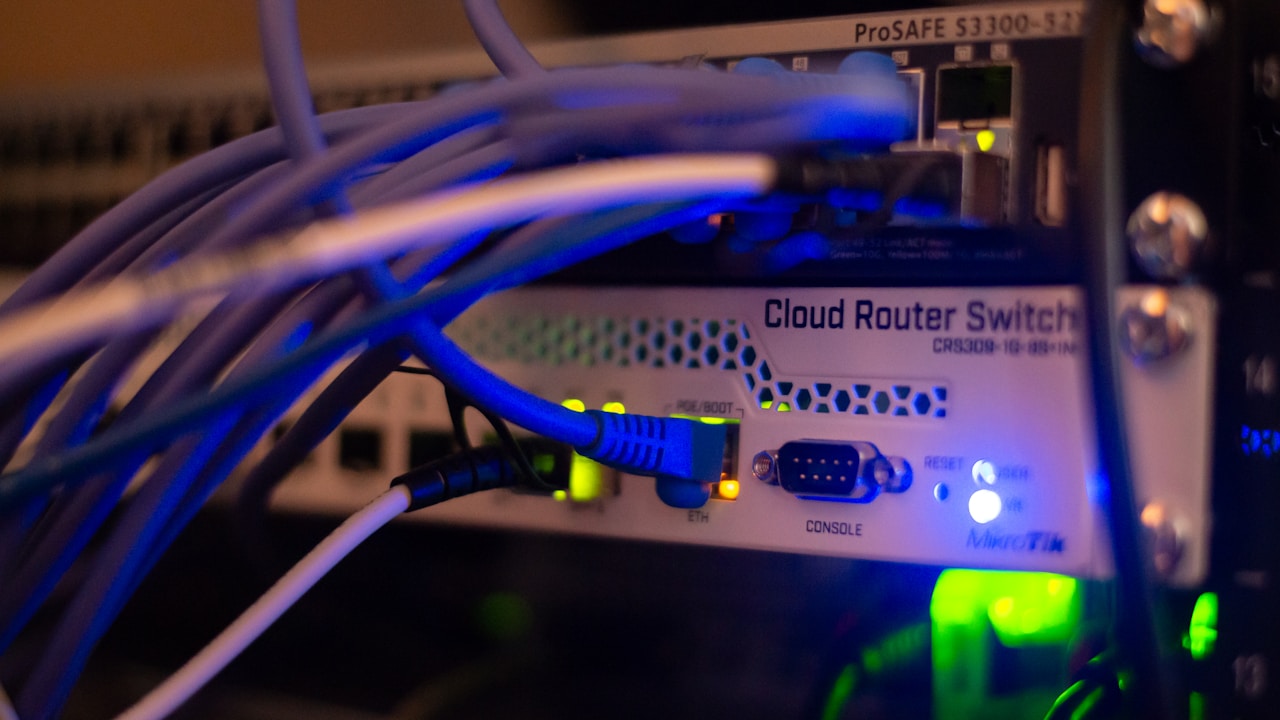
Ethernet connections on network switches

Software-defined & 5G networks

Software-defined networking, virtualised network functions and open-source 5G testbeds. We study how network services can be deployed, measured and orchestrated.

Learn more
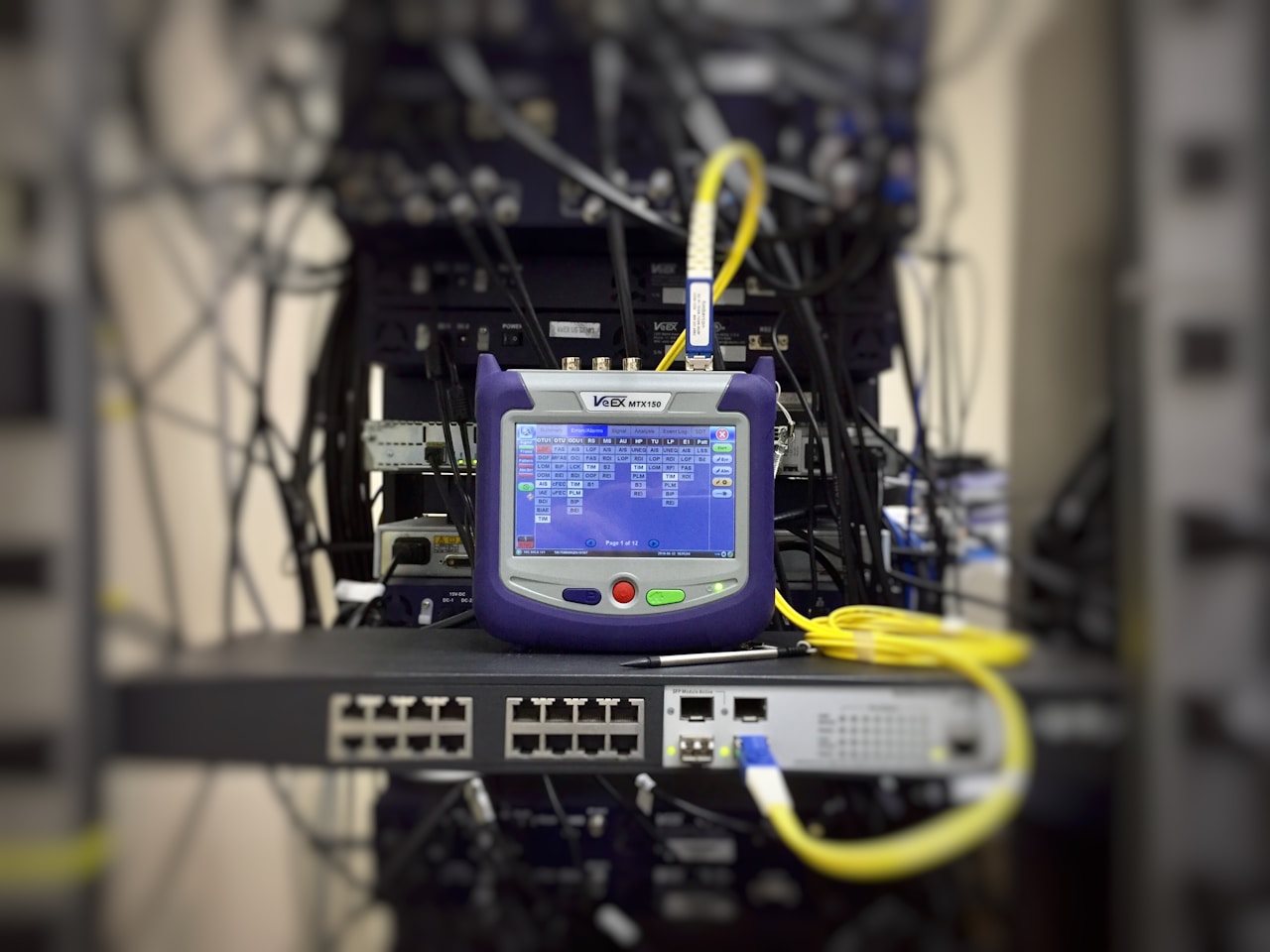
A network analyser measuring data transmission through a switch

Intelligent network management

Learning-based resource allocation, network slicing and service differentiation, including communication across terrestrial and non-terrestrial networks.

Learn more
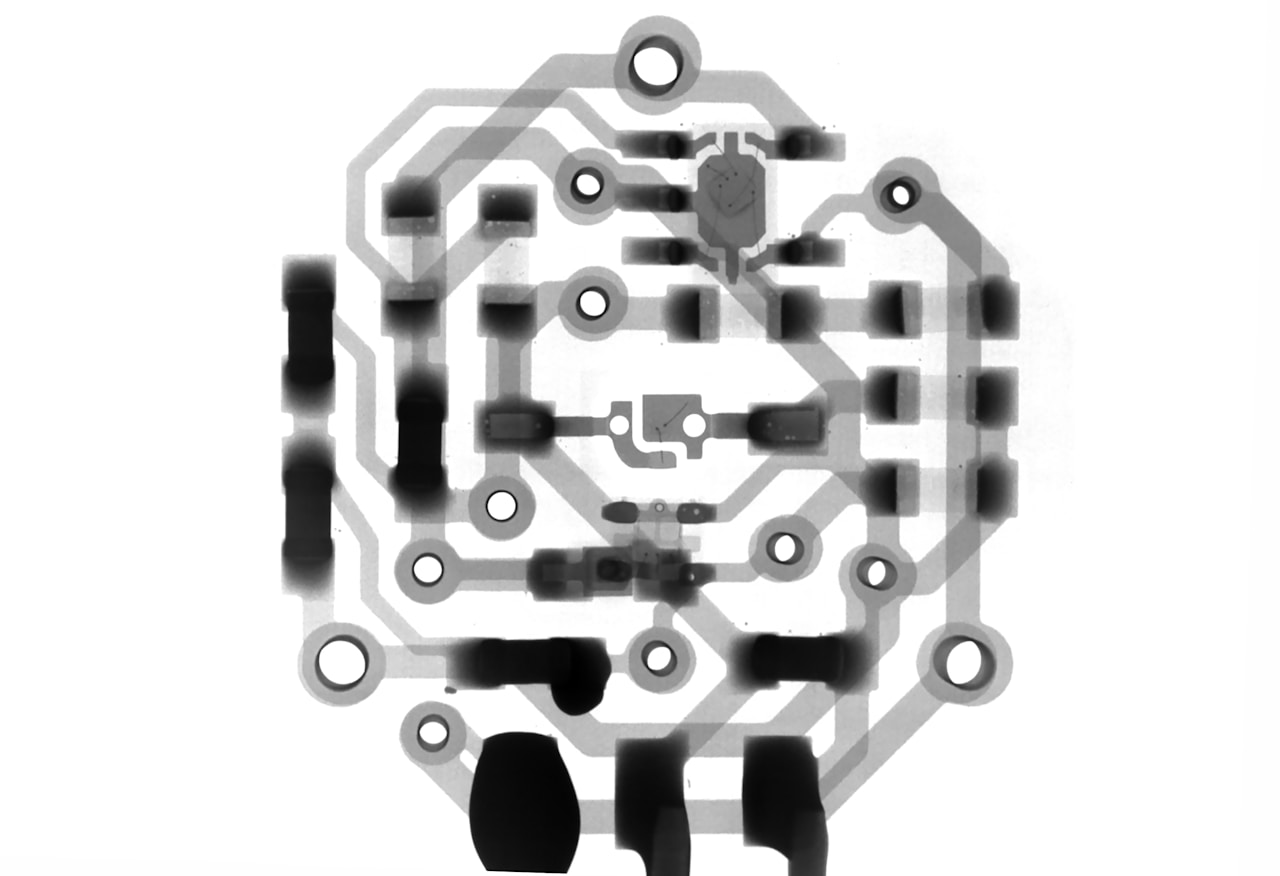
X-ray photograph of a heart-rate sensor circuit

IoT & connected sensing

Wireless sensor networks and connected applications for digital health and smart infrastructure, with machine learning for sensor data and dependable communication.

Learn more
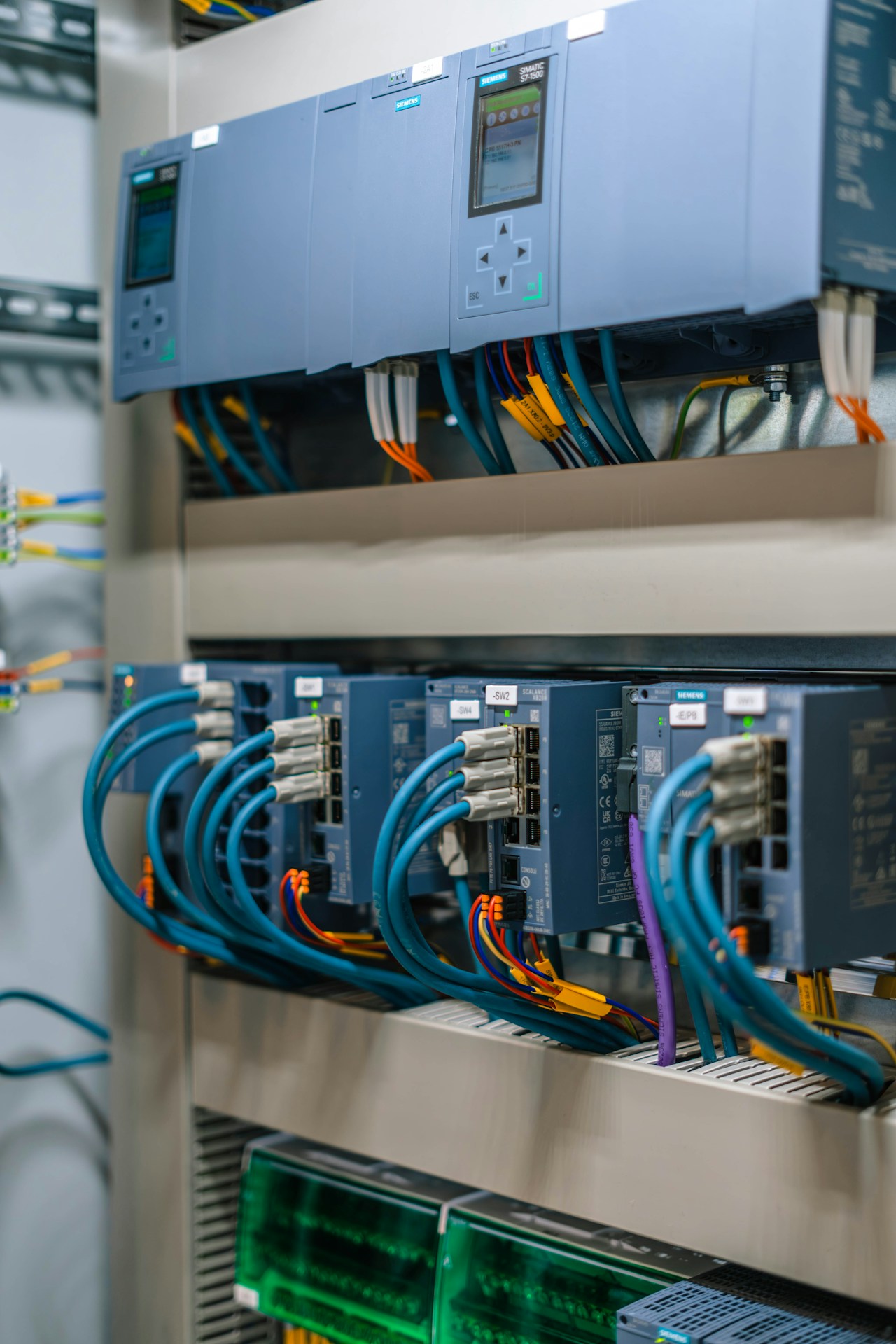
Programmable logic controllers and network wiring in an industrial control panel

Secure cyber-physical systems

Machine learning for intrusion and anomaly detection in industrial control systems, water distribution networks, microgrids and software-defined sensor networks.

Learn more

The people doing the work

View Team

A research community in Cape Town, connecting ideas across networks, intelligence and engineering.
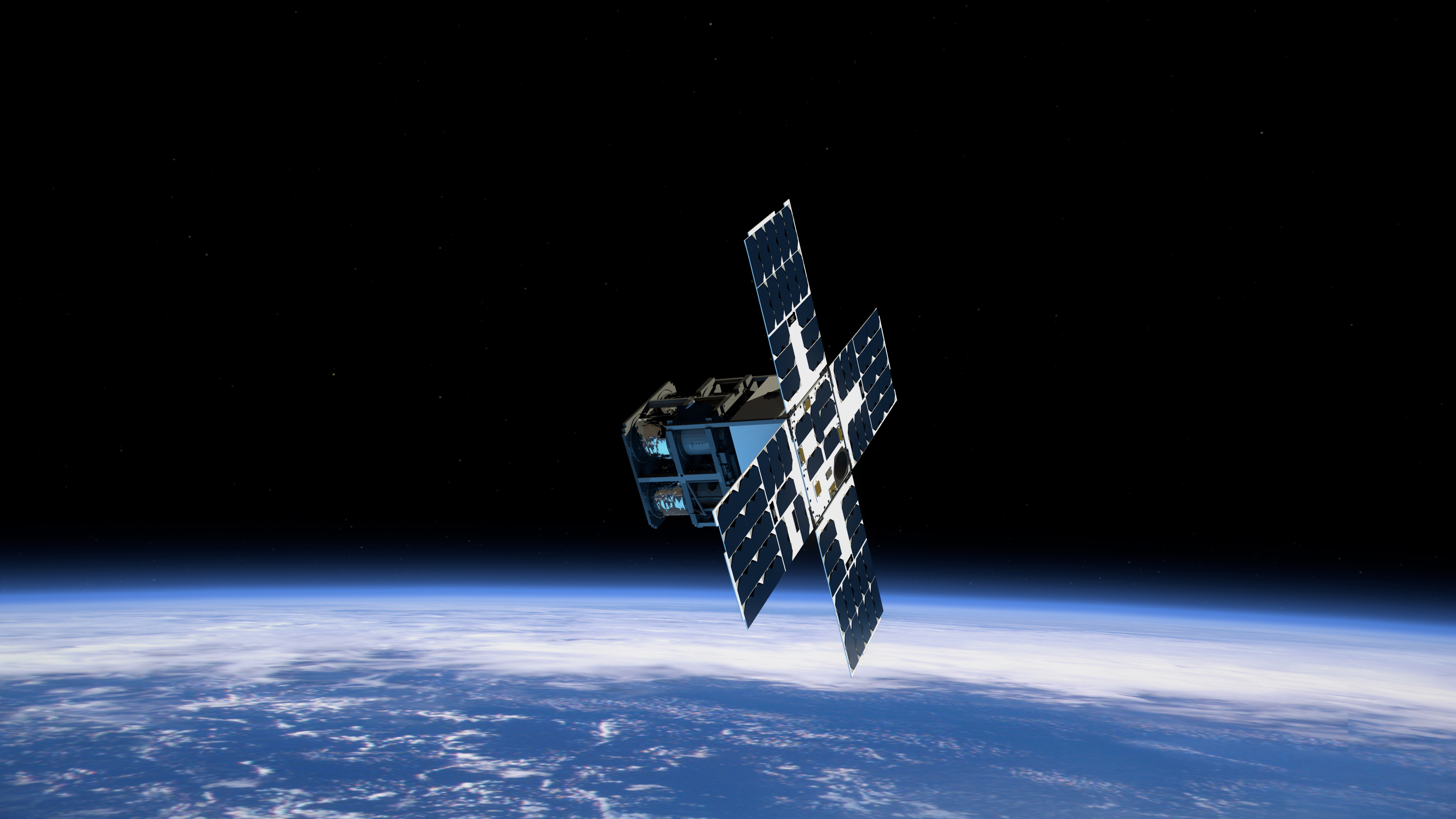
Earth-observation satellite above the planet

Our research community

View all members
12 Members
4 PhD candidates
5 MSc candidates

Our group brings together academic staff, MSc candidates and PhD candidates in the Department of Electrical Engineering at UCT.

Intelligent networks Secure systems Connected technologies

Latest Publications

View publications

Our latest work in computer vision, language intelligence, multi-modal learning, and remote sensing.
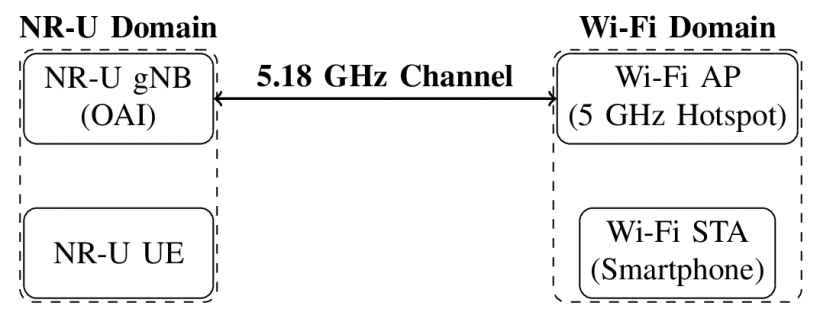
Experimental Evaluation of 5G NR-U and Wi-Fi Coexistence in the 5 GHz Unlicensed Band Using SDR

Innocent Nhlanhla Makhubela, Joyce Mwangama

2026 IEEE Wireless Communications and Networking Conference Workshops (WCNCW)

The operation of 5G New Radio in unlicensed bands (NR-U) is a critical enabler for expanding wireless capacity. However, ensuring fair coexistence with incumbent Wi-Fi systems remains a significant implementation challenge. While numerous simulation studies have explored this topic, there is a lack of experimental validation using accessible, opensource hardware platforms. In this paper, we present a practical evaluation of NR-U and Wi-Fi coexistence using a SoftwareDefined Radio (SDR) testbed. We implement a standalone NRU gNodeB on the OpenAirInterface platform, incorporating Listen-Before-Talk (LBT) mechanisms to govern channel access. Preliminary discrete-event simulations were utilized strictly for parameter selection to ensure regulatory compliance before hardware deployment. The primary contribution of this work is the experimental verification of NR-U/Wi-Fi coexistence using an open-source SDR platform under real interference conditions. Experimental results demonstrate that properly configured NRU can coexist with Wi-Fi in the 5 GHz band, maintaining stable incumbent throughput and achieving a high fairness index (> 0.95). These findings provide empirical evidence supporting the feasibility of NR-U deployments using open-source SDR tools.
Read more

Experimental Evaluation of 5G NR-U and Wi-Fi Coexistence in the 5 GHz Unlicensed Band Using SDR

Innocent Nhlanhla Makhubela, Joyce Mwangama
2026 IEEE Wireless Communications and Networking Conference Workshops (WCNCW)
Figure from Experimental Evaluation of 5G NR-U and Wi-Fi Coexistence in the 5 GHz Unlicensed Band Using SDR

Summary

The operation of 5G New Radio in unlicensed bands (NR-U) is a critical enabler for expanding wireless capacity. However, ensuring fair coexistence with incumbent Wi-Fi systems remains a significant implementation challenge. While numerous simulation studies have explored this topic, there is a lack of experimental validation using accessible, opensource hardware platforms. In this paper, we present a practical evaluation of NR-U and Wi-Fi coexistence using a SoftwareDefined Radio (SDR) testbed. We implement a standalone NRU gNodeB on the OpenAirInterface platform, incorporating Listen-Before-Talk (LBT) mechanisms to govern channel access. Preliminary discrete-event simulations were utilized strictly for parameter selection to ensure regulatory compliance before hardware deployment. The primary contribution of this work is the experimental verification of NR-U/Wi-Fi coexistence using an open-source SDR platform under real interference conditions. Experimental results demonstrate that properly configured NRU can coexist with Wi-Fi in the 5 GHz band, maintaining stable incumbent throughput and achieving a high fairness index (> 0.95). These findings provide empirical evidence supporting the feasibility of NR-U deployments using open-source SDR tools.
View paper
View Details

RESEARCH WITH US

Better connections.
New possibilities.

If you share an interest in intelligent networks, connected sensing or secure cyber-physical systems, we would love to hear from you. Enquiries about MSc and PhD supervision can be sent to either of our academic staff:

Joyce Mwangama

Associate Professor

joyce.mwangama@uct.ac.za

Daniel Ramotsoela

Associate Professor

daniel.ramotsoela@uct.ac.za
Join the group